
Opportunity Zones

OZ 2.0
2027 Brings a Reset on Opportunity Zone Tax Benefits
Effective as early as January 1, 2026, capital gains an investor realizes can qualify for improved tax treatment under Opportunity Zones 2.0.
Blueprint has invested in more than 20 Opportunity Zone projects across high-growth U.S. markets and has been actively involved in the program since its launch.
Download our Opportunity Zones 2.0 Investor Primer to learn how the new rules work and how investors may benefit.
Jan 1, 2026
First date capital gains can qualify for OZ 2.0
Jan 1, 2027
First month to invest under OZ 2.0 rules
$0*
Federal capital gains tax on appreciation after a 10-year hold
*$0 federal capital gains tax applies to appreciation on a qualifying OZ fund investment held for at least 10 years, subject to applicable law and individual circumstances. Past performance is not indicative of future results. This material is for informational purposes only and does not constitute tax, legal, or investment advice. Consult your tax advisor regarding your specific situation.
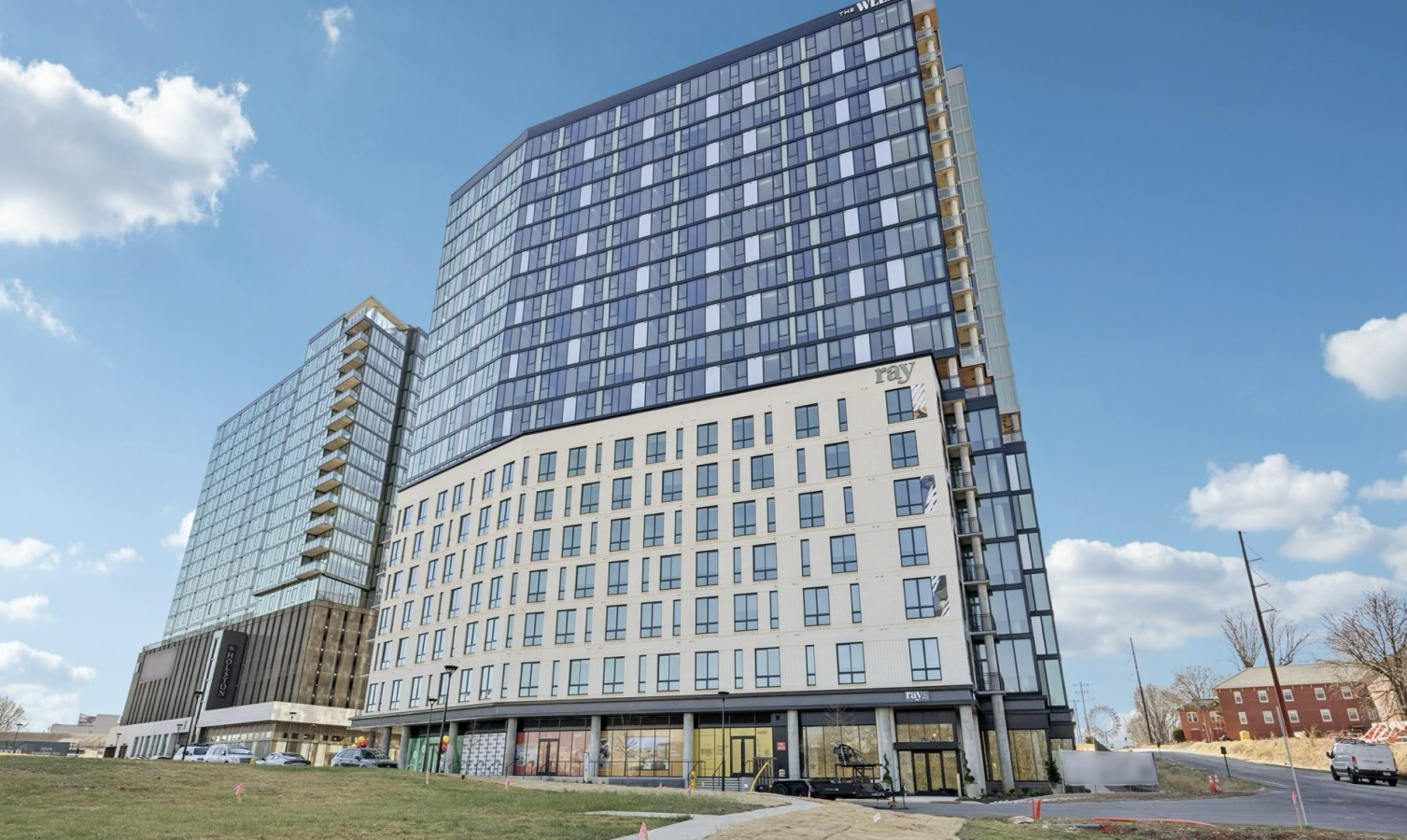
What Changed Under OZ 2.0?
Rolling Deferral
Investors can now defer capital gains taxes on a rolling basis - no more arbitrary deadlines. Whenever investors invest, they get a 5-year deferral from that point, so investments in January 2027 would receive a tax deferral through 2032. The tax incentive is now permanent.
10% Gain Reduction
Original deferred gain reduced by 10% after five years in the investment.
$0 Tax on Growth
Appreciation inside the fund is fully excluded from federal capital gains tax after a 10-year hold.
Bonus Depreciation
100% in Year 1, now permanent, with no depreciation recapture required on exit.
For a deeper look at how Opportunity Zones 2.0 may work in practice, including return comparisons, investor scenarios, and Blueprint’s investment approach, download our Opportunity Zones 2.0 Investor Primer above.
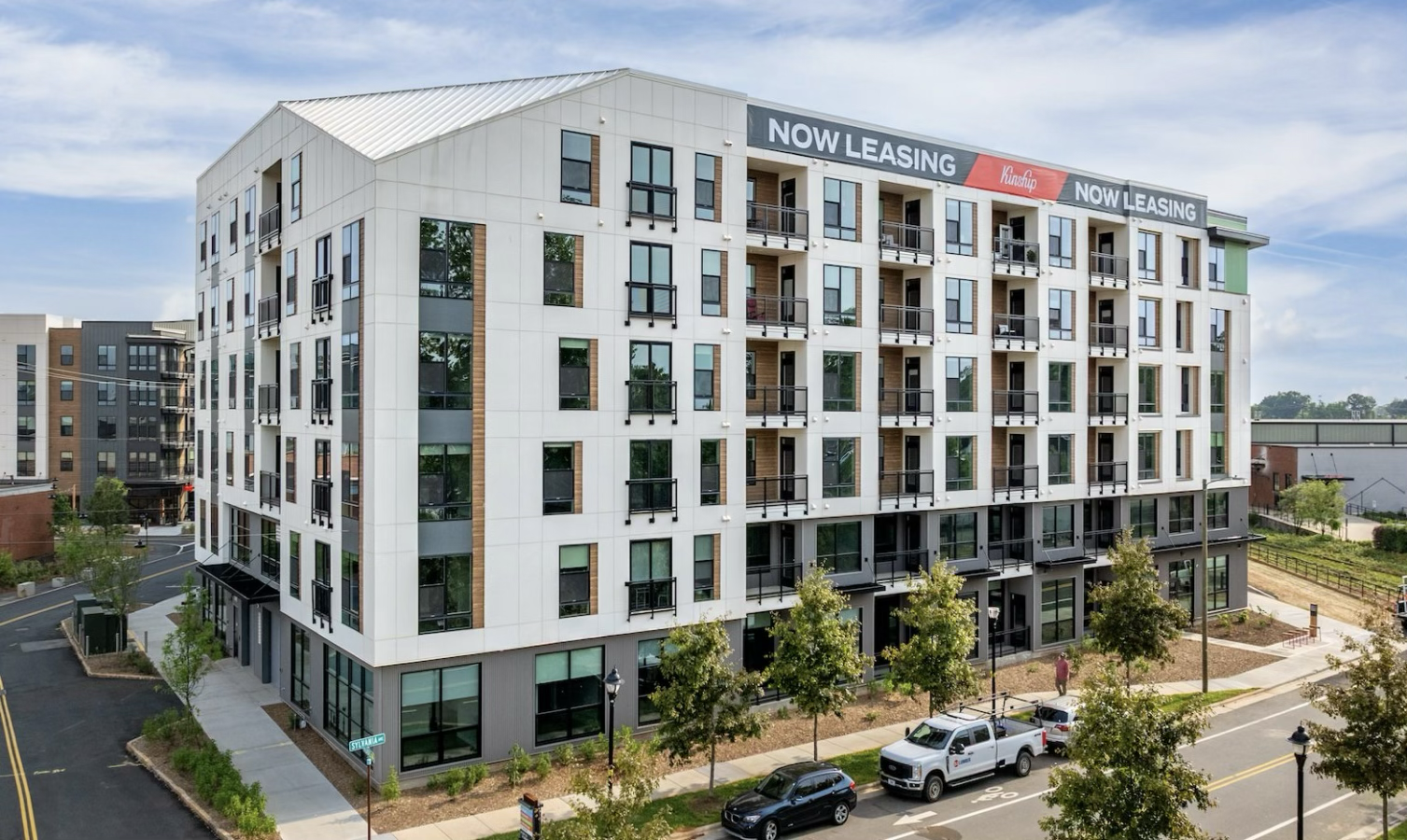
OZ 1.0
A Proven Track Record
Originally launched in 2017, the Opportunity Zone program incentivized more than $100 billion in private capital into over 5,600 designated communities. Unlike traditional housing programs that require direct government spending, OZs are market-driven and private investment-led.
The case for making the program permanent in 2025 was straightforward: OZs delivered with a proven track record. In Opportunity Zones, new housing construction roughly doubled its prior trajectory. OZ communities now account for 23% of all new multifamily units delivered nationally, up from 12% before the program launched. And unlike programs that require significant direct, upfront government spending, OZs defer and reduce taxes on potential future capital gains. That means the tax benefit is only realized if the project is itself successful, and in the interim, the program mobilizes private capital to build public goods, often generating new property, sales, and income tax revenue that otherwise wouldn’t exist.
The results of that investment are already visible. Opportunity Zone investment has largely been anchored by institutional-quality real estate projects. These projects are primarily multifamily projects that deliver needed housing supply, construction jobs, and long-term economic activity to the neighborhoods in which they were developed. To learn more, see our 2025 OZ Impact Report, linked below.
Frequently Asked Questions
Opportunity Zones FAQ
-
The Opportunity Zone program uses capital gains tax advantages to attract long-term, value-add investment in under-invested communities. In 2018, 8,764 low-income census tracts were designated as Opportunity Zones. Following passage of the One Big Beautiful Bill Act in 2025, the program has been made permanent and expanded under what is broadly referred to as "OZ 2.0," with new zone maps and investor benefits taking effect January 1, 2027.
-
Investors who realize a capital gain and reinvest that gain into a Qualified Opportunity Fund (QOF) may be eligible for the following benefits under OZ 2.0:
A rolling 5-year deferral on the original capital gain, with no fixed expiration deadline
A 10% reduction of the original deferred gain after five years in the investment
No federal capital gains tax on any appreciation earned inside the OZ investment after a 10-year hold
Potential 100% bonus depreciation in Year 1 on eligible assets, with no depreciation recapture on exit
Note: OZ 1.0 investments made before December 31, 2026 still defer the original gain through the end of 2026 under the prior rules. The new rolling deferral applies to investments made under OZ 2.0.
-
Any person who has realized a capital gain within the last 180 days may be eligible to invest that gain into a Qualified Opportunity Fund and access OZ tax benefits. The gain can come from any qualifying source: a business sale, stock liquidation, real estate transaction, or other capital asset, as long as it is reinvested within the 180-day window.
-
Thousands of previously under-invested communities that qualify under census AMI thresholds across all 50 states, the District of Columbia, and five U.S. territories are designated as Qualified Opportunity Zones. Beginning January 1, 2027, new zone maps take effect. Some tracts will be added and some removed. States are expected to release finalized maps by mid-2026. An interactive map of current Opportunity Zones can be found here.
-
Opportunity Zone investments can be made in real estate or operating businesses located within a designated zone but must be made through a Qualified Opportunity Fund (QOF). For real estate investments, where Blueprint focuses, projects must satisfy the "substantial improvement test" requiring that for every $1 of existing building value at acquisition, the developer invests an additional $1 in renovation or development. New ground-up construction inherently satisfies this test. If the investment is held in the QOF for at least 10 years, capital gains resulting from the qualifying investment may be permanently excluded from federal tax upon exit.
-
Funds affiliated with Blueprint Local have invested equity in over 20 Opportunity Zone projects across the Southeast, Texas, and Mid-Atlantic, focusing primarily on multifamily housing in high-growth markets. Examples include The Current, a mixed-use development in downtown Richmond combining mixed-income housing, office space, and community retail; The Pass, a transit-oriented development on a former industrial yard in north Charlotte; and a range of workforce multifamily projects in growing cities including Austin, Dallas, Houston, Atlanta, and Raleigh.
-
Independent evaluations from the U.S. Government Accountability Office, Economic Innovation Group (EIG), and Novogradac have documented meaningful early outcomes:
The OZ program has supported at least $100 billion in private investment in economically distressed communities at no upfront cost to the federal government
The median household income in OZ communities is approximately half the national median, and the poverty rate is roughly double, confirming that the program has largely reached its intended communities
In zip codes that include Opportunity Zones, new housing construction has roughly doubled; OZ tracts now account for nearly 23% of all new multifamily units nationally, up from 12% pre-program
Firms indicate the OZ incentive is driving investment that would not have otherwise occurred in targeted communities
-
The One Big Beautiful Bill Act, passed in 2025, made Opportunity Zones a permanent feature of the U.S. tax code. The program no longer has a sunset date, which removes a key concern for long-term investors: the 10-year tax-free exit benefit now runs without a legislative deadline in the background. On top of that permanence, OZ 2.0 introduced a rolling 5-year deferral on the original deferred gain, a 10% reduction on the original deferred gain if held for 5 years, and permanent 100% bonus depreciation, benefits that improve on OZ 1.0 over life of a qualifying investment.
Investors evaluating Opportunity Zone strategies can learn more about the mechanics of OZ 2.0, example investment structures, and Blueprint’s investment criteria in our Opportunity Zones 2.0 Investor Primer available above.
This Q&A was prepared by the team at Blueprint Local. Please note that this Q&A is for informational purposes only and Blueprint Local is not purporting to provide tax or investment advice. The IRS also maintains a comprehensive FAQ for prospective Opportunity Zone investors, which can be found here.